Epic v. Google: The Settlement Is Off the Table, and That Is Good for Developers

On July 15, Epic and Google jointly withdrew their proposed settlement in Epic v. Google, one day before the hearing meant to approve it. Judge Donato's original 2024 injunction, already in force, now stands without a pending challenge. For developers running external links in the US, our view is that this is a win: had the settlement been approved, it would have written in an explicit right for Google to charge fees on link-outs.
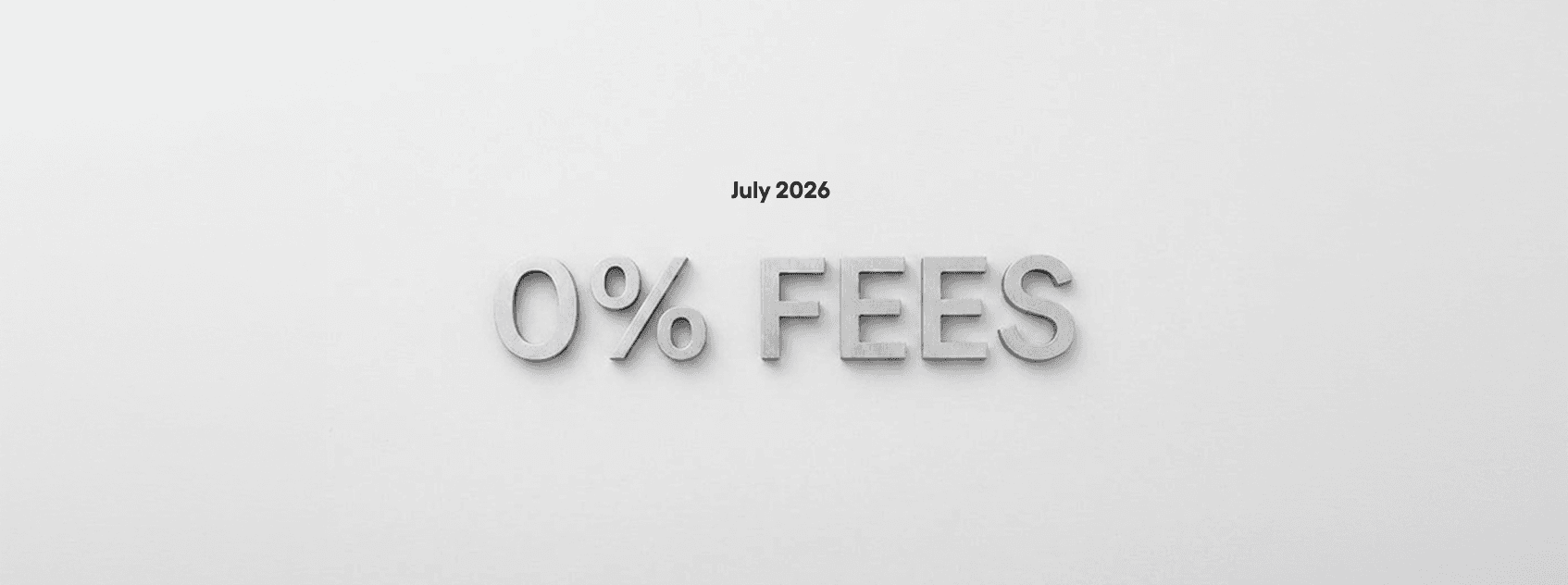
With the settlement withdrawn, that path is closed. The injunction itself is silent on link-out fees, and external links in the US continue at 0% today. In our analysis, the withdrawal makes a near-term fee less likely, not more. And even in the scenario where Google does eventually try to charge, there is a strong argument that any such fee would be capped at Google's actual cost, a few percent, rather than a full platform commission.
Why This Is Good News for Developers
Start with what matters most. If you run external links in the US, your position just improved.
Had it been approved, the proposed settlement would have written into the framework a right for Google to tax linked-out purchases with a fees. With the settlement withdrawn, that will not happen through this route. What governs instead is the injunction already in force, under which external links in the US run at 0%.
For external links, a link embedded in your app that sends the player to an external checkout and back, this is the whole ballgame. The economics depend entirely on that 0%, and in our view the withdrawal of the settlement makes it less likely to change any time soon. The most favorable external payment condition in any market globally did not just hold; it got a little safer.
How We Got Here
The short version: a 2023 jury found Google operates an illegal monopoly over Android app distribution, and, importantly, found that Google unlawfully tied the Play Store to Google Play Billing. In October 2024, Judge Donato turned it into a permanent injunction: carry rival app stores, open the catalog, stop forcing developers onto Google Play Billing. Google appealed, lost at the Ninth Circuit in 2025, and ran out of road.
Then in November 2025 came the surprise settlement, which would have softened the injunction and let Google charge a fee on link-outs. Donato was skeptical from day one, questioning whether a deal between the winning plaintiff and an adjudicated monopolist served anyone but the two of them.
If you have been following along, you already know the pattern: every time this case reaches a decision point, the outcome has landed on the side of openness, and against Google's attempts to preserve its economics. This is simply the latest, and one of the clearest, examples.
What Just Happened
With the settlement withdrawn, the October 2024 injunction behind the US External Content Links (ECL) program stands unchallenged: after its original November 2027 expiry shifted during Google's appeal, most provisions now run from late 2025 through end of 2028, while two later ones, third-party access to Play Store's catalog and rival app stores in the US Google Play Store (starting July 22), extend to July 2029.
The settlement would have changed three things that matter to Android DTC. Two concern distribution and the in-app download-link right, both of which now simply continue in their stronger original form under the standing injunction. Those are genuine wins, but they are not our focus here. The one that matters most for external links is the third: fees on link-outs.
The Fee Question, and Why the Withdrawal Helps
The single most important question for external links is fees, and here is where the withdrawal matters most.
The injunction is silent on whether Google may charge fees on link-outs. It does not grant Google that right, and it does not spell out a prohibition either. In practice, external links in the US run at 0% today: Google's own US documentation states it intends to apply a service fee in the future but is not assessing one at this time.
The proposed settlement was the clearest path to changing that. Had it been approved, it would have written an explicit fee right into the framework. With the settlement now withdrawn, that path is closed, and in our view the likelihood of a link-out fee appearing in the near term is lower than it was, not higher. Nothing in the current framework introduces a fee, and the mechanism that would have introduced one is gone.
We want to be precise: this does not mean a fee can never happen. Google could still try to assert one at some later point. But for now, the practical picture is a stable 0%, with the one instrument that would have formalized a fee no longer on the table.
And even if Google does try, there is a strong argument that any such fee would be capped. The court-appointed economic expert, Professor Nancy Rose, argued that a fee set at the full platform rate would simply reproduce the banned conduct by price: Google would achieve through a charge what it is barred from achieving through a mandate. On that logic, any permissible link-out fee should be limited to Google's actual cost of providing the service, a few percent, not a full platform commission, with the burden on Google to justify it. This principle is written directly into the injunction for rival-store fees, and in our view the same reasoning extends naturally to link-outs. So the realistic ceiling here is low, even in the scenario where a fee eventually arrives.
Looking Ahead
To be clear about what is not yet decided: the withdrawal did not permanently bar Google from ever attempting a link-out fee. The injunction's silence leaves that door open in principle, and it is worth watching. But the near-term direction is clear, and as covered above, even a future fee would likely be capped at cost.
One channel sits entirely outside this whole debate. The fee fight, whatever shape it takes, is about the in-app doorway: what Google may charge when a user taps a link inside an app it distributes. A Web Store reached out of the app, through your own channels, is not in that building at all. Whatever happens next in court, that remains the one channel you fully own.
Bottom Line
The settlement is off the table, the injunction that was already governing continues to stand, and in our view the prospect of a link-out fee in the near term is lower than it was, not higher. External links in the US remain at 0%. The smart move is unchanged: use external links to the fullest in the US while conditions are this favorable, and keep building the direct player relationship that no court decision can touch.